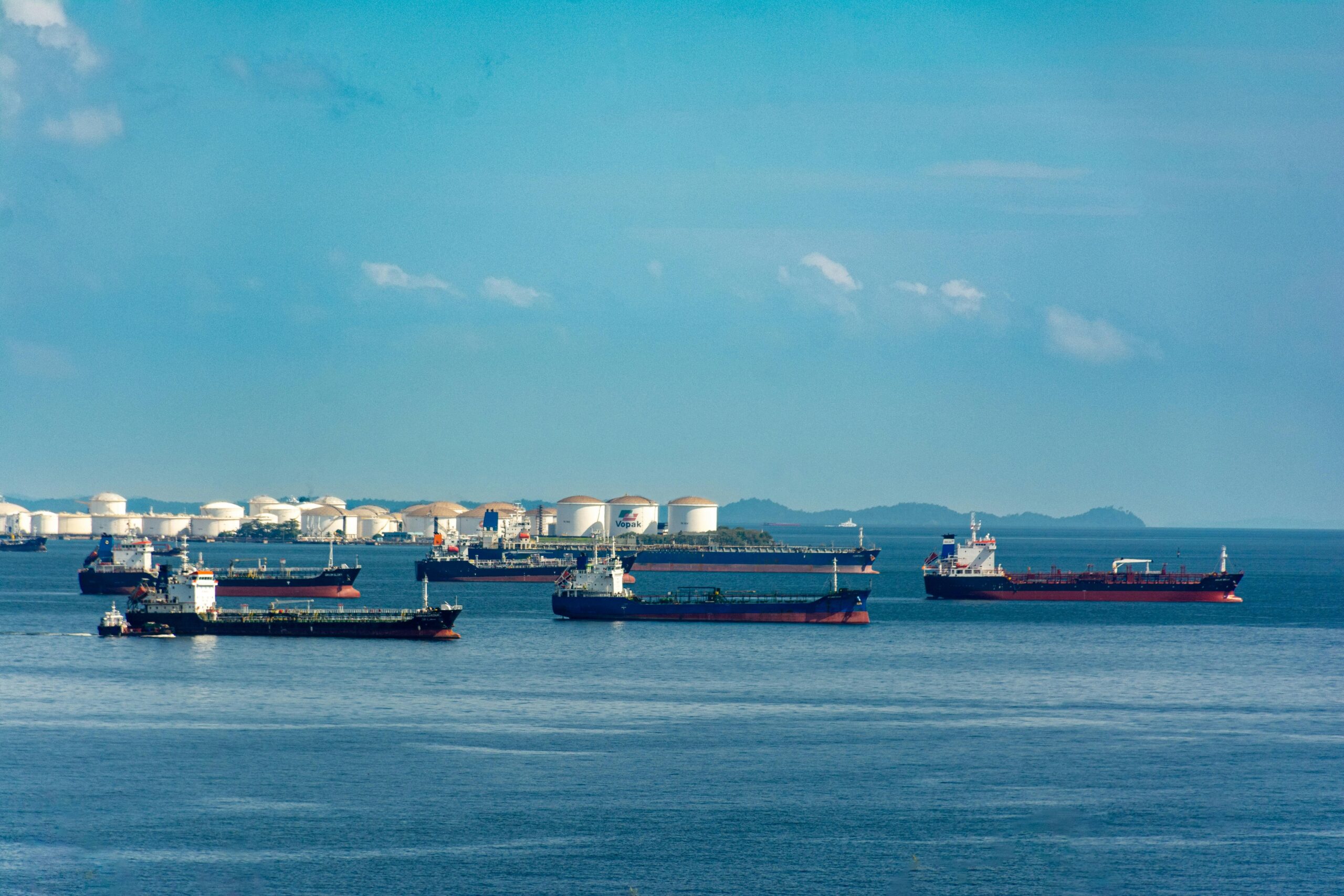
WASHINGTON – In a move cheered by House Republicans, the White House today announced the Trump Maritime Access Card (TMAC). The TMAC is specifically designed to ensure “unimpeded” passage for commerce through the Strait of Hormuz, although it is unclear if Iran will grant passage to TMAC holders.
The announcement was made Tuesday evening after Trump once again claimed that they are getting close to making a deal with Iran. “The Trump Maritime Card gives unprecedented access through the Strait of Homuz and future military blockades,” Press secretary Karoline Leavitt announced. “This card doesn’t negotiate; it commands. It says, ‘We are here, and we will get through.’”
Details regarding the actual mechanism of the TMAC remain vague. Sources close to the briefing room indicated that while the physical card features a gold foil embossment of a stylized eagle clutching an oil barrel, its operational power is described using terms like “unprecedented logistical authority” and “absolute market confidence.”
Industry analysts are struggling to process the implications. Dr. Evelyn Reed, a geopolitical economist at the Institute for Maritime Studies, commented via video link: “Historically, bypassing a major blockade requires naval superiority, multi-national coalition agreements, or sheer economic leverage that can withstand prolonged conflict. To reduce this to a ‘card’ suggests either an a new level of diplomatic immunity or a profound misunderstanding of international maritime law.”
However, supporters dismissed the academic critique as “Deep State noise.” A representative for the Treasury Department was quick to counter: “This isn’t just a metal card; it’s a statement. It sends a message so loud, so clear, that any blockade attempting to stop American goods—be they oil, corn, or premium reality television equipment—will find themselves looking at something fundamentally unstoppable.”
The rollout of the TMAC is expected to begin with priority to oil tankers bringing oil to the United States from the Strait of Hormuz. Critics are already raising concerns about its geopolitical implications and whether the card’s issuance process will require a specific level of devotion to “American exceptionalism.”
This is a developing story.